The story starts with me watching a documentary that lambasted the Spanish for catching migrating songbirds. The method they used was to place large nets across the valleys where migrating birds flew. Many of the birds were headed to the UK and were the ones we enjoy seeing in our gardens, such as thrushes, chaffinches and the bird we all love to see – the robin redbreast. I was incensed – how could they do this?
I resolved never to buy Spanish oranges ever again. Problem – how to make marmalade without oranges? A war time recipe was the answer. I had Marguerite Patten’s, ‘Jams, Pickles and Chutneys’ in the 500 recipe series. I think it was in that book, but I can find no reference online to this ingenious recipe that uses lemons instead of oranges and carrots for the colour. (I assure you that no-one will ever discern the difference!) I wonder now if it was something I saw in an Imperial War Museum book where there is a similar recipe for Carrot Marmalade (but using oranges) tried and tested by the Research Station at Long Ashton near Bristol. This institute was set up to improve cider making, then moved into research on fruit production and was responsible for the development of Ribena during the Second World War.
So, take 4 large lemons weighing 1 1/2 pounds or 675 grams. I prefer to buy organic ones as there will be no pesticides on the skins – and the skins are used in the recipe. My preference is also for Israeli organic lemons – little danger of them being guilty of catching wild birds!
Cut the lemons in half lengthways noting that at one end is a knobbly bit. I am giving specific cutting instructions as you want to end up with slithers of peel, not chunks. Place the lemon half cut side down on a chopping board and cut 4 lines through the skin towards the internal pith line that is the internal length of the lemon. Avoid cutting into the knobbly bit as this will hold the pieces together. The lemon can be fanned out to look for pips – which can be saved. Turn the lemon 90 degrees and cut fine slices starting at the loose end and finishing at the part held together. Continue cutting the rest of the lemons.
Now to the carrots. 500g are needed which in times gone by was called 1 pound. I used to buy Bedfordshire-grown excellent carrots at the Farmers Market. Organic ones would be the best choice as again no pesticides. These need to be lightly peeled (so as not to waste too much) and then grated.
A PRESSURE COOKER IS NEEDED. The main disadvantage in marmalade making is the time it takes to cook. Fruit jams cook quickly, but lemon or orange peel is tough. My original recipe said that the mixture needed cooking in 3-4 pints of water for 45 minutes or more. That is a lot of gas or electricity being used.
In the Good Housekeeping Cookery Book there is a page detailing the use of a pressure cooker. I saw that the time taken for the softening of the peel could be dramatically reduced. Plus, if the time of cooking was reduced there was not the need for all that boiling away of water.
Consequently, using only 1 1/2 pints of water, the lemon peel and the grated carrot could be cooked under pressure for only 8 minutes and come out beautifully tender. The lemon pips contain pectin which helps setting. These can be wrapped in a little square of muslin (something every cook has to hand) and popped into the pan. Take these out at the end of cooking.
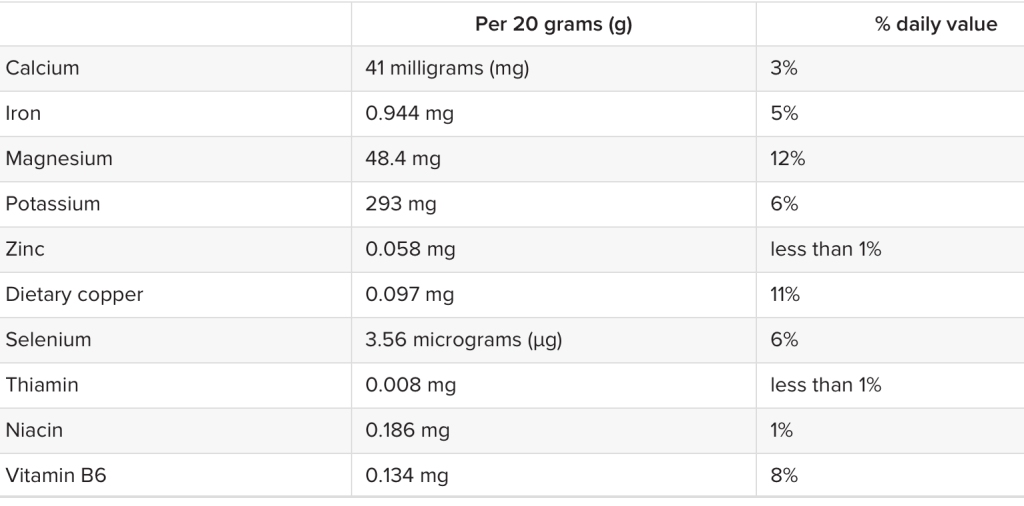
The last step is to add four pounds of sugar which is 2 kilograms minus a few spoonfuls. Stir until all the sugar is dissolved. I always use golden granulated Fairtrade sugar. White sugar has been processed so much that it doesn’t contain anything but refined carbohydrate with no vitamins or minerals. The more unrefined the sugar, the more molasses is in it. One mineral that is not on the list below is chromium, which is necessary for the digestion of sugar! But it is in molasses at 0.266 mg/kg.
List of other minerals in Molasses.
Now the next step is to bring the lemon, carrot and sugar mixture to a boil and to continue until the setting point is reached. (The mix must be stirred frequently to prevent it sticking to the bottom of the pan.) A jam thermometer which will indicate 105 degrees centigrade or 220 degrees Fahrenheit is the easiest way to judge setting point. Or, this point can be tested by taking a half teaspoon of the mixture and placing it on a cold saucer; leave for a few seconds and see if a skin has formed when the sample is pushed with another spoon. In my experience setting point is also indicated when the mixture in the pan starts being vicious and spitting at you.
At this point clear the kitchen of children and animals, put on a sturdy apron and make sure you are wearing some foot protection. Spilled jams are very, very hot. In your oven, set to its coolest heat, you will have 8 or so clean 10 fluid ounce (300 ml) jars waiting to be filled. I usually have the jars in a metal baking tray and when I take the tray from the oven I add boiling water around the jars to keep them warm. I remember my mother once making jam and pouring it into cold jars. A few seconds later there was the sound of breaking glass as the bottoms of the jars disintegrated and jam oozed out.
Carefully ladle the jam into the warm jars. The lids should be ready and also have been sterilised in boiling water. Fill the jars up leaving a little head room and screw on the lids. When the jars are cool enough to be handled the drips can be wiped off. Popping noises a few hours later will indicate that a vacuum has been formed inside the jar and the contents will keep for many months without going mouldy. That’s what preserving is all about – preserving food while it is plentiful in order to eat it when there is none.
Political, ecological and environmental issues:-
- Fighting the cruelty of capturing, killing and eating our lovely little garden birds by well fed, heartless, profiteering, European neighbours. (Grilled, pickled or boiled – around two million protected birds die each year for the traditional Cypriot dish of ambelopoulia.)
- Using ingredients that are grown in the UK to help British farmers.
- Using ingredients that are grown close to where you live to reduce air miles and fuel consumption.
- Supporting organic farming, improving the quality of the soil, that is nutritionally better for our health.
- Actively including ingredients that are nutritionally richer than other refined products that are available.
- Reducing electricity or gas consumption by reducing cooking times. (Don’t eat pigs’s trotters if you want to be save fuel as they need to be cooked for 4-6 hours.)
- Preserving food that is plentiful in season for times when it is not available.
- For further reading https://datazone.birdlife.org/articles/illegal-killing-of-birds-in-europe-and-the-mediterranean
- https://datazone.birdlife.org/articles/illegal-killing-of-birds-in-europe-and-the-mediterranean
e.birdlife.org/articles/illegal-killing-of-birds-in-europe-and-the-editerranean

